
Engineered beads that stop fires before they start.

The best way to protect your infrastructure from oil fires. Dryfoam prevents fires at the source by floating on oil surfaces.

What does Dryfoam protect?

Dryfoam protects against pool fires by controlling vapor formation.
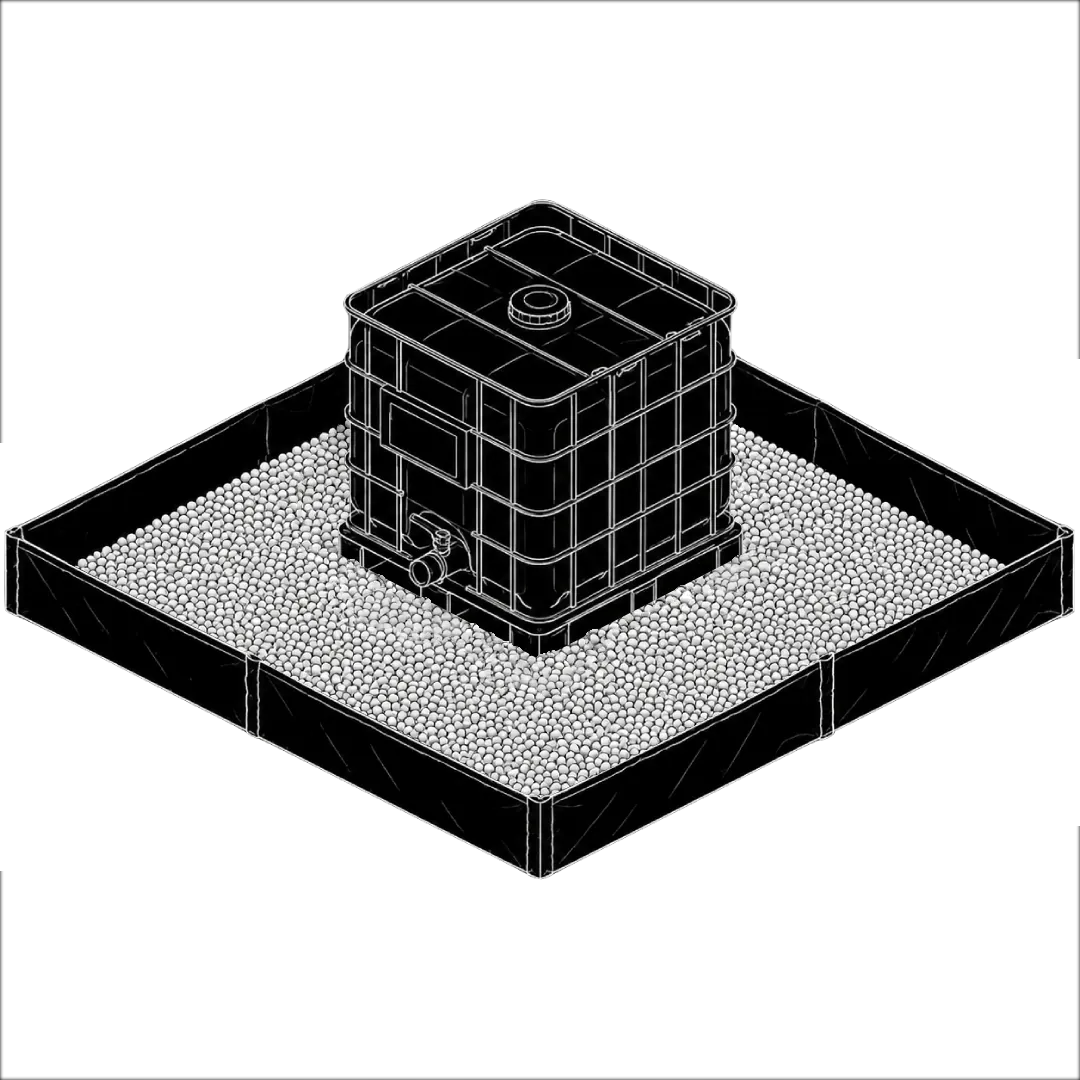
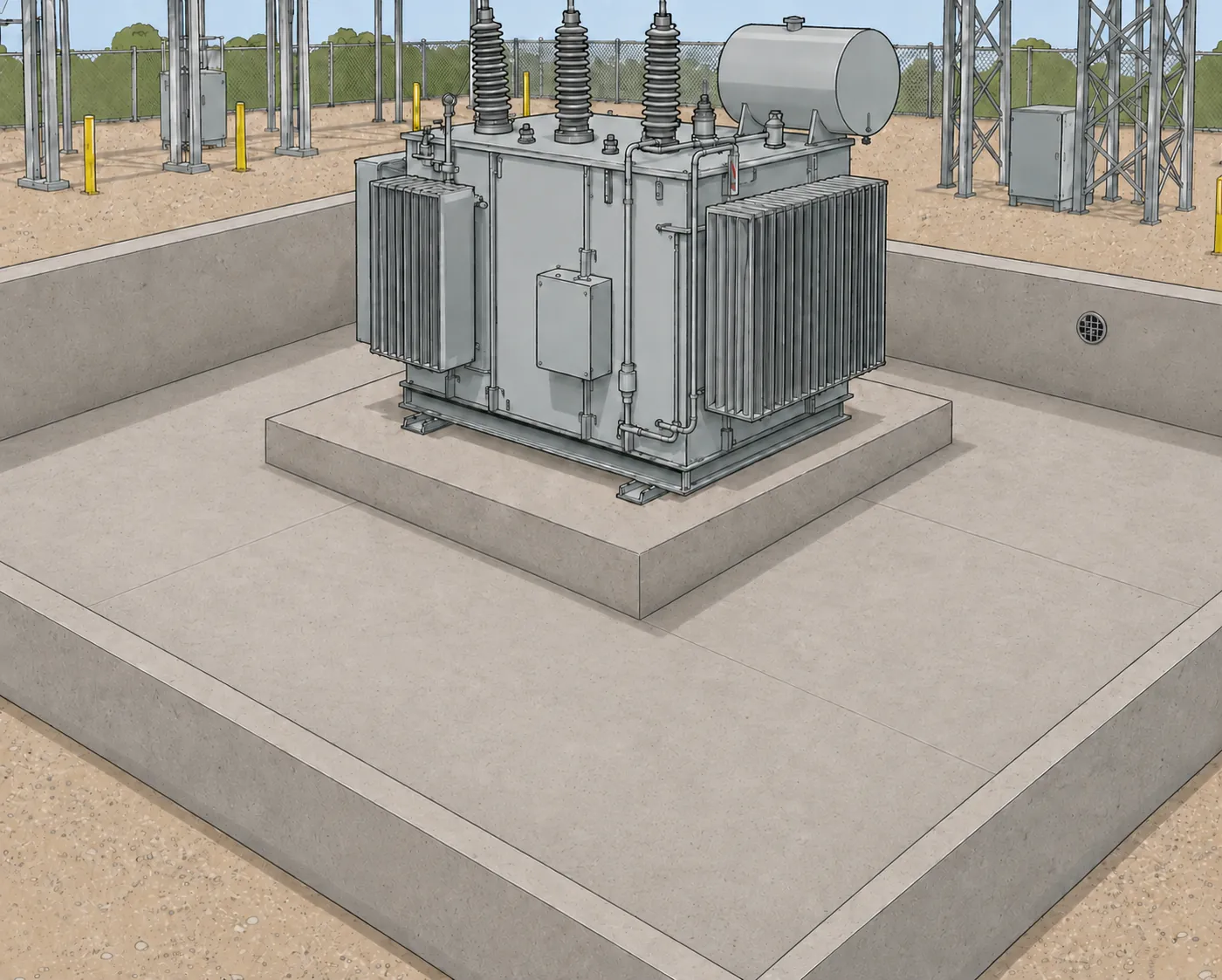
Transformer dike containment at an outdoor substation
Transformer dikes
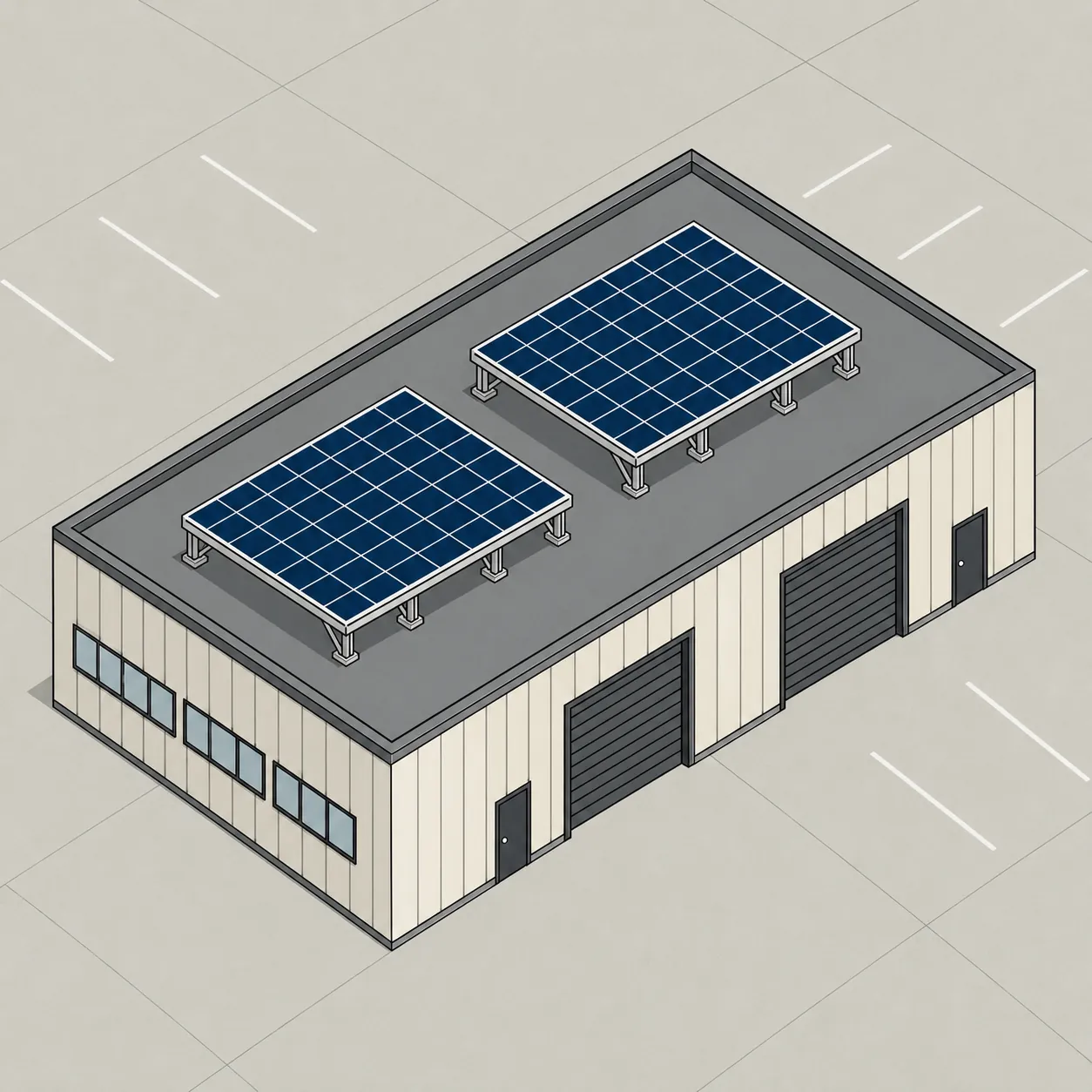
Rooftop solar array on a commercial building
Rooftop solar
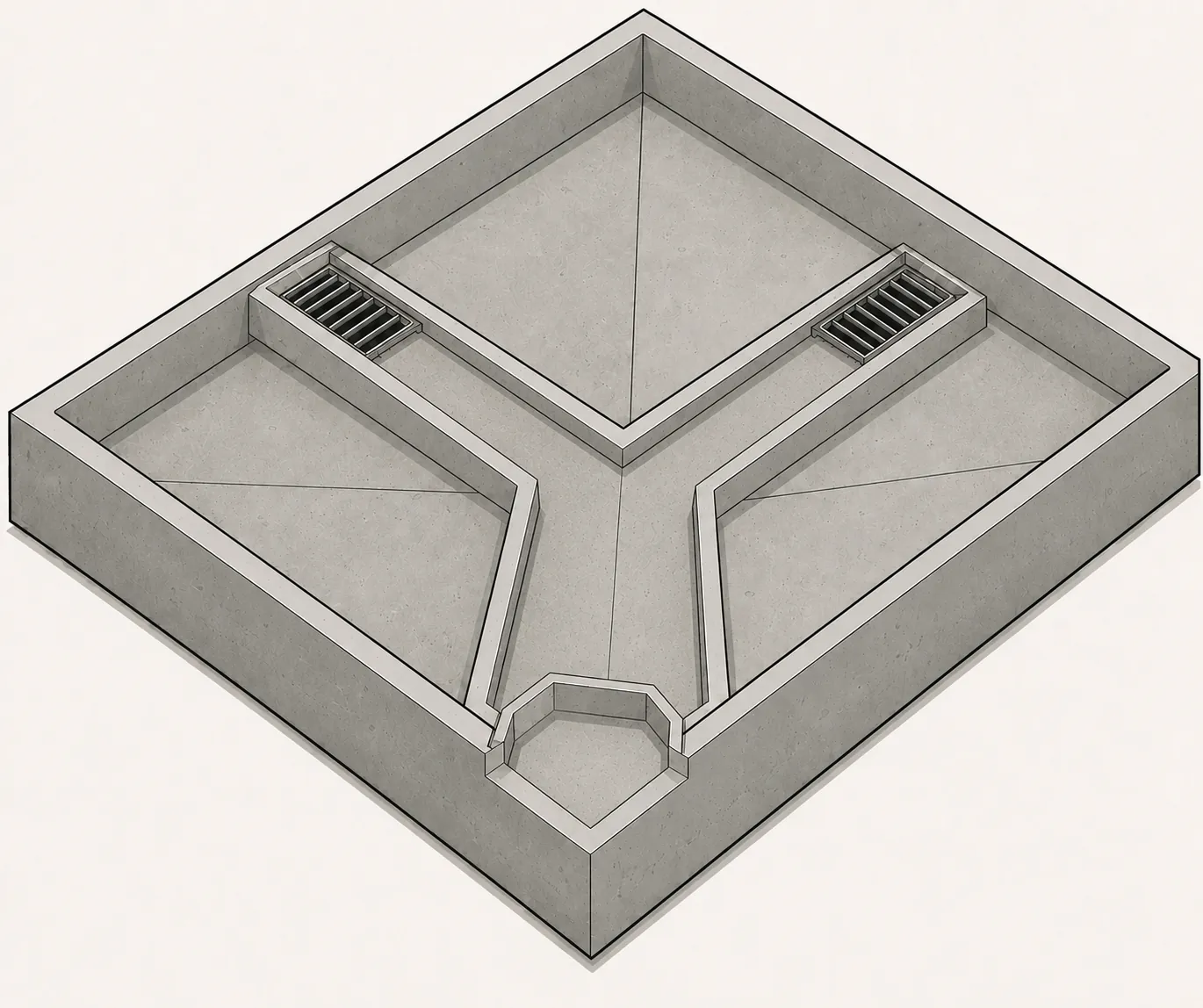
LNG impoundment basin
LNG impoundment
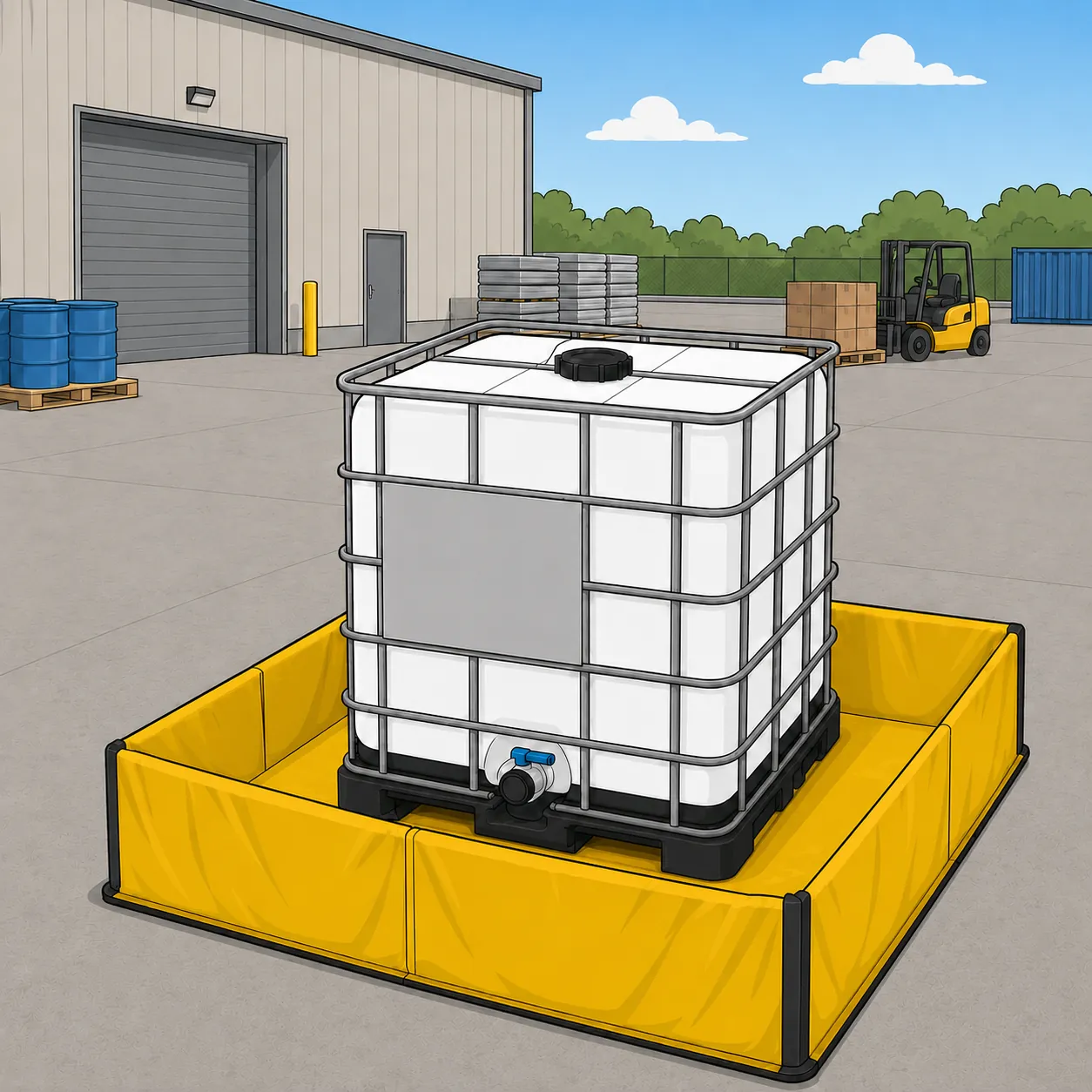
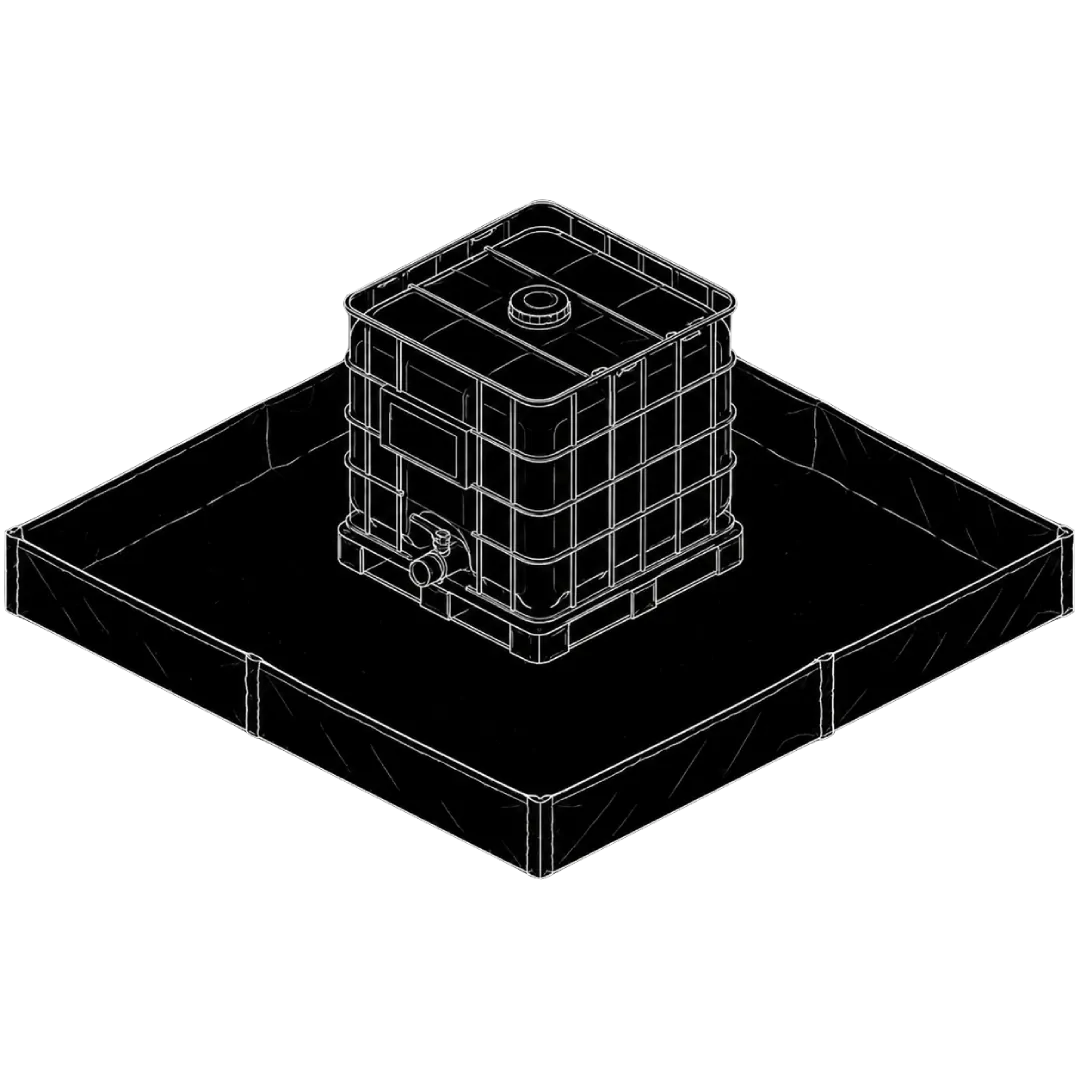
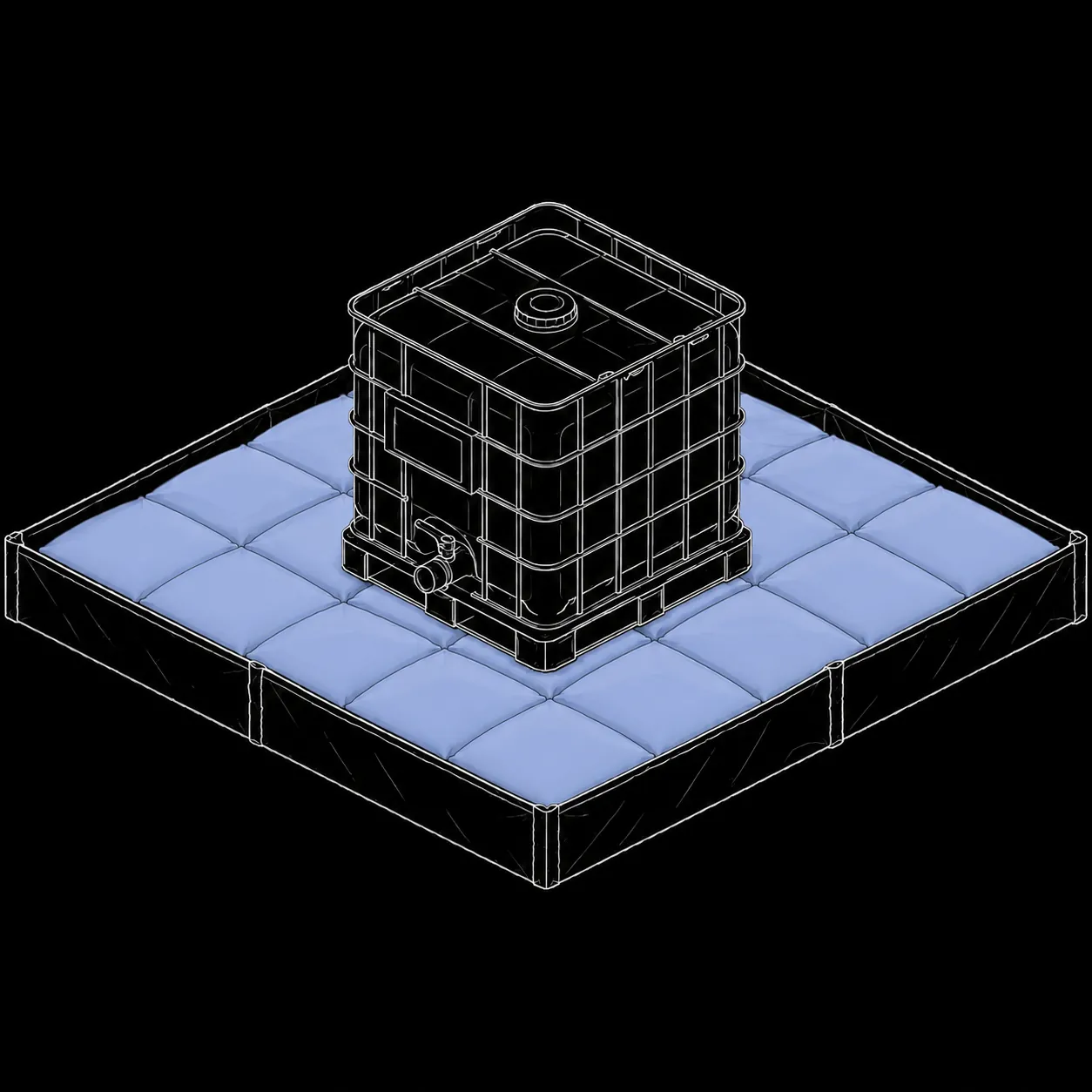
Temporary containment berm
Temporary containment
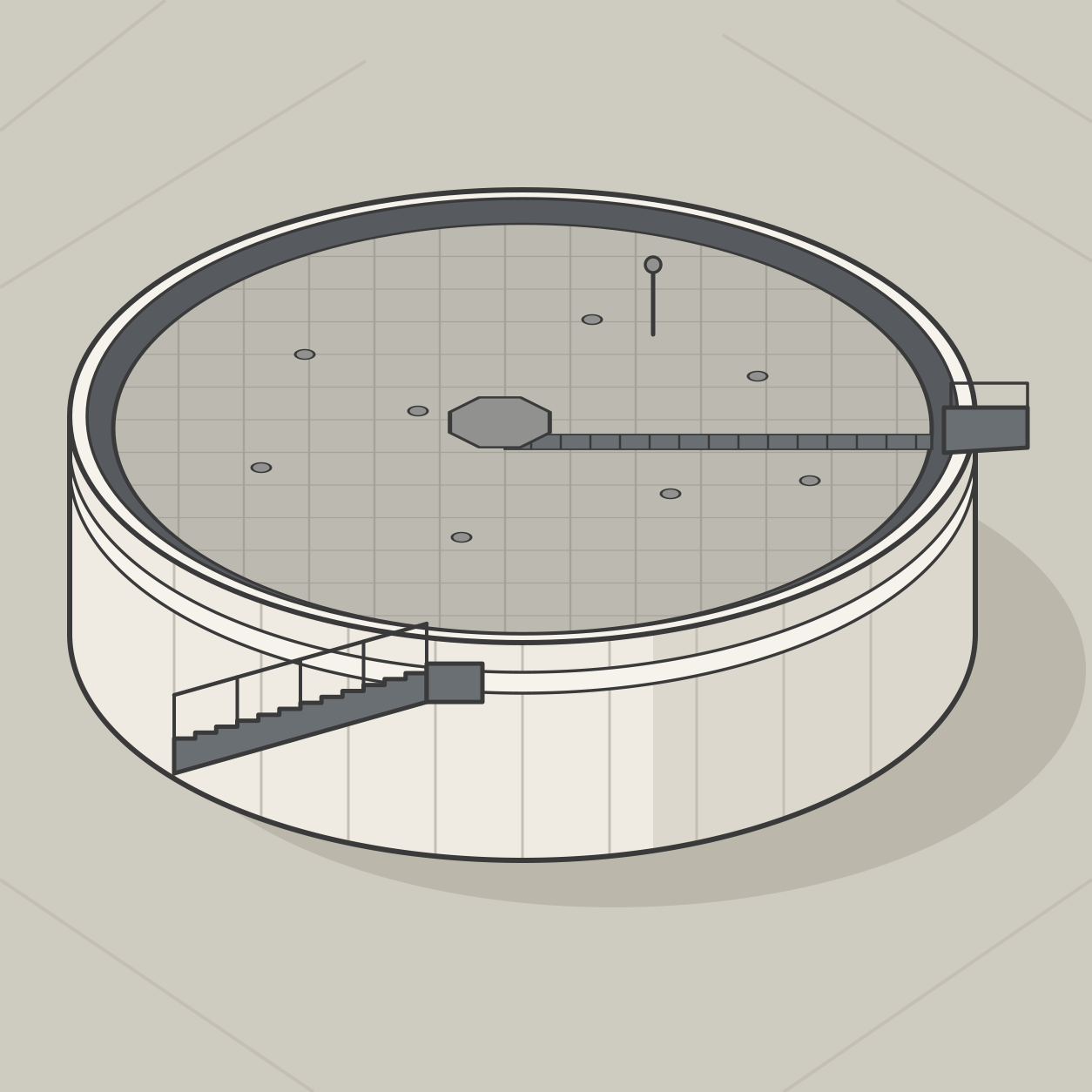
Floating roof oil storage tank
Floating roof tanks

Superpowers included.

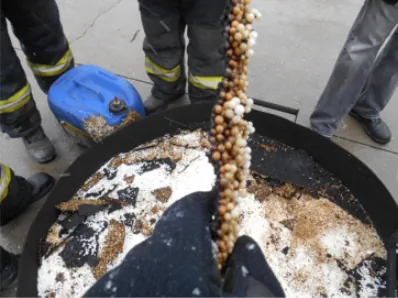
Dryfoam is buoyant, and surrounded by multiple engineered coatings. It sheds hydrocarbons, and if exposed to flame, the surface beads form a sacrificial crust that protects the underlying beads and flammable liquid.
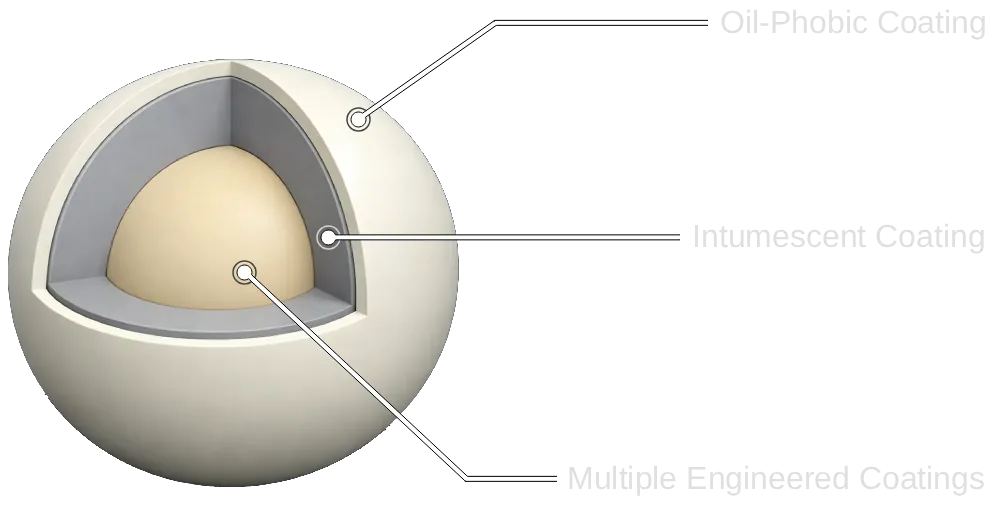
Dryfoam structure
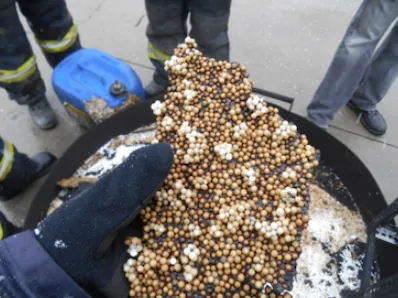
Brulee test visual Brulee test visual Brulee side view
Flame caused intumescent coating to activate.

Built for modern AI infrastructure, tank farms, and industrial sites.

From tank farms to AI campuses, Dryfoam reduces fire risk, protects uptime, and strengthens your risk story.

Tank farms
  • Oil storage
  • Floating roof tanks
  • Rim seal protection
  • UL Listed for oil storage tanks
Learn More
Power Transformers
  • Oil-filled transformers serving heavy AI loads
  • Critical infrastructure, low-tolerance outages
  • Sites facing insurer and stakeholder scrutiny
Boil Off Pits
  • Process facilities
  • LNG/LPG boil off pits
  • Containment dykes
Learn More

Tested and compliant.

Dryfoam is rigorously tested to the highest global safety standards.


✓
UL Listed for protection against full-surface fires in storage tanks.
✓
Protected by US Patent 8,297,460.
✓
Independently evaluated by technical authorities like LASTFIRE, to meet recognized safety standards.
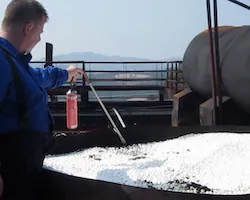
Dryfoam floats on hundreds of gallons of gasoline during this vapor suppression test.

Size your protection.

Estimate how much Dryfoam your containment needs.

Bring Dryfoam into your next project review.

If you’re designing, upgrading, or rethinking fire protection around oil, we’ll help you decide how Dryfoam fits in.

Start a technical conversation

Share a one-line description of your use case and we’ll follow up with an engineering-first conversation.

Field Evaluation Videos

Dryfoam has been tested in a variety of applications.
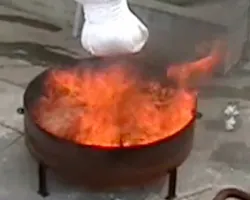
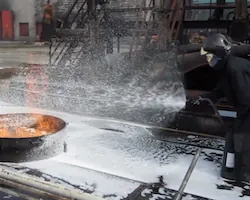
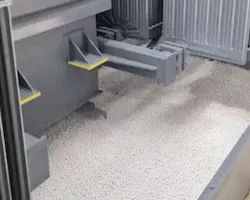
  • Dryfoam beads poured from a supersack onto a burning fuel pan spread across the surface and put the fire out
    Supersack Drop
  • Traditional foam sprayed on burning ethanol fails to put out its nearly invisible flames; Dryfoam beads added to the pan form a raft that helps the foam suppress even polar solvents like ethanol
    Ethanol Test
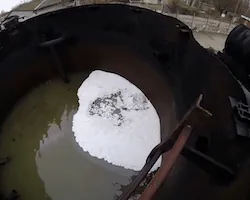
  • Inside a tank, Dryfoam beads introduced below the liquid rise and spread until they cover the surface
    Subsurface Test
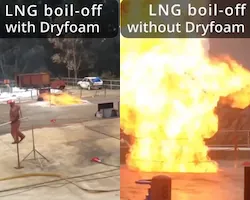
  • Side-by-side LNG boil-off fires: small flames with Dryfoam beads on the surface, a towering fire without them
    LNG boil-off
  • 24 hours after deployment, a torch flame held over a bead-covered fuel pan fails to ignite it
    24hr post-deployment vapor test
  • Dryfoam beads filling the containment around the base of an oil-filled transformer
    Transformer Installation
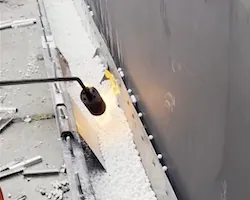
  • Firefighters run a torch flame along a tank rim seal packed with Dryfoam beads
    Rim Seal Test
  • Side-by-side LNG boil-off fires: small flames with Dryfoam beads on the surface, a towering fire without them
    LNG boil-off